
Distributed blind spots
Independent branch systems can leave central teams without a consistent view of alarms, footage and device health.
BFSI security
Connected video surveillance for banks, financial institutions and insurance operations, designed to protect people, premises and evidence across distributed sites.
Security across a distributed network
BFSI environments combine public areas, high-value assets, sensitive operations and geographically dispersed facilities. Recording video is only the start; teams need dependable visibility and a clear route from event to response.
Independent branch systems can leave central teams without a consistent view of alarms, footage and device health.
ATMs, vault approaches, cash zones and public lobbies demand different coverage, permissions and response priorities.
Disconnected alarms and footage make it harder to verify incidents, preserve evidence and establish an accurate timeline.
Connected protection
From the customer entrance to the central command room, Mactra helps authorized teams connect visual evidence, operational events and defined response workflows.
 01
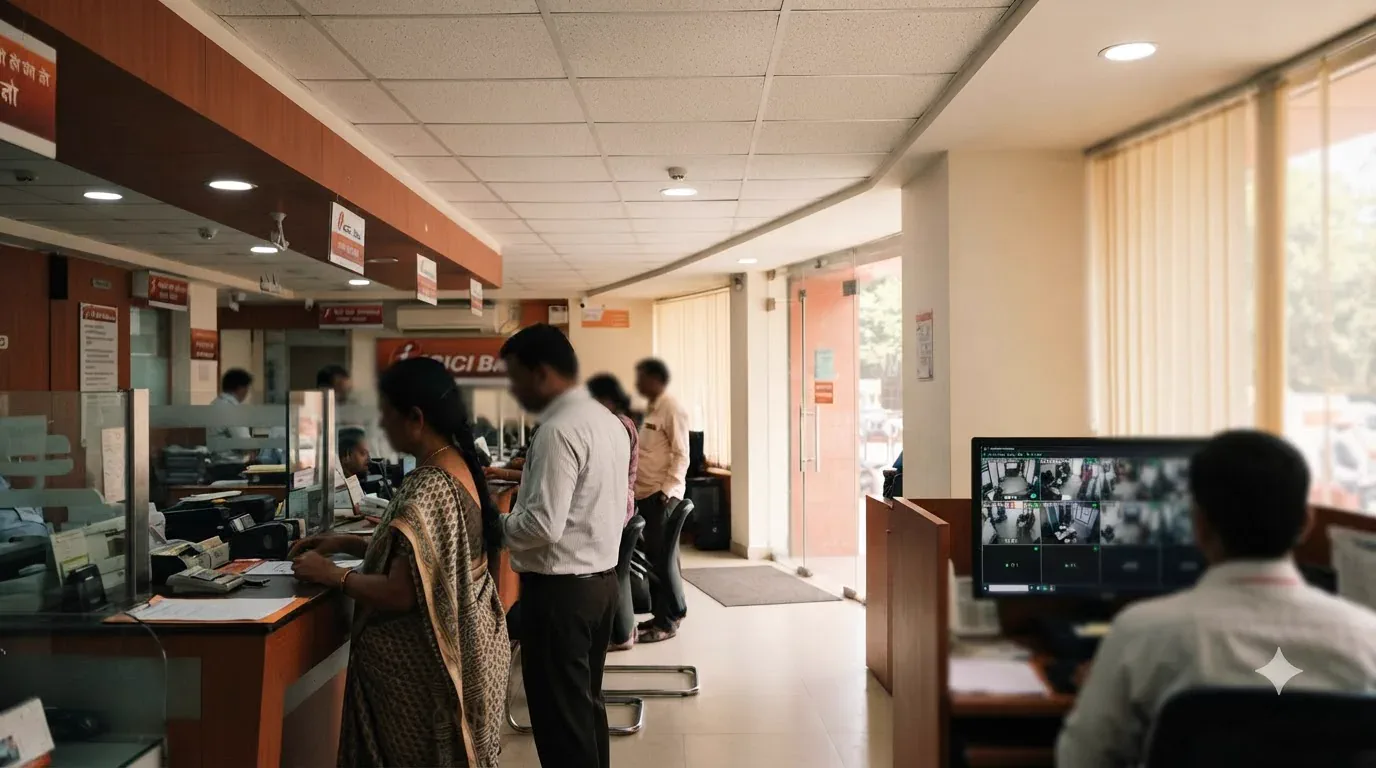
01 Bring live views, alarms and recorded evidence from branches, offices and service locations into one structured monitoring environment.
 02
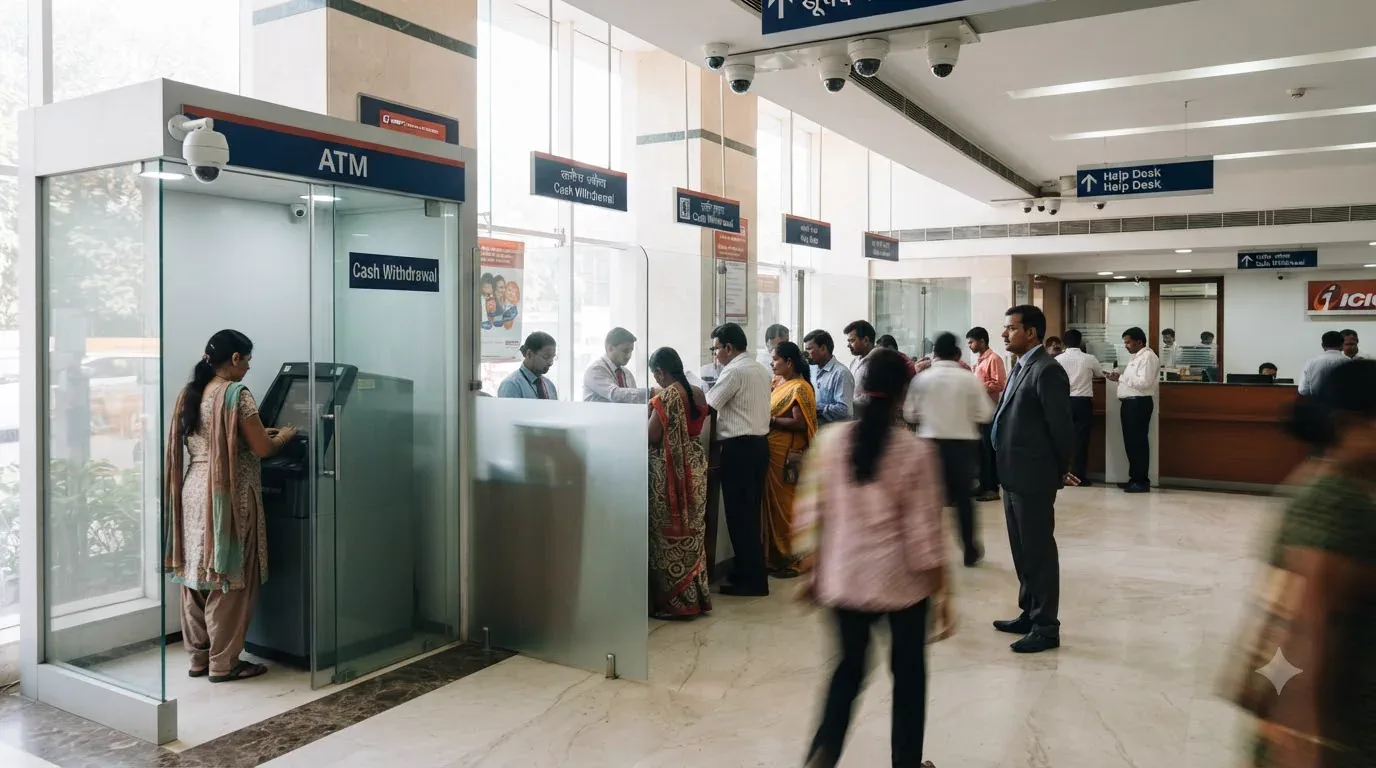
02 Maintain clear visual context around customer-facing areas while planning camera views and privacy zones around each operational requirement.
 03
03 Strengthen oversight at vault approaches, cash-handling rooms, server areas and other high-risk spaces by linking visual verification with selected events.
 04
04 Help authorized teams locate, review and preserve relevant footage while monitoring the health of cameras, recording and network dependencies.
From event to action
A useful security platform does more than display cameras. It helps teams detect relevant activity, verify it with video, follow the correct escalation path and preserve evidence for authorized review.
Cameras cover defined branch, ATM, perimeter and restricted zones.
Rules and integrated events bring relevant activity to attention.
Operators review live and recorded context under defined permissions.
Teams escalate, document and preserve evidence through policy-led action.
Operational outcomes
Centralized oversightCoordinate surveillance across branches, offices, ATMs and critical facilities.
Verified responseGive operators visual context before they escalate a selected alarm or exception.
Structured evidenceSupport authorized search, review and export through defined investigation workflows.
Deployment resiliencePlan recording, network and health monitoring around real operational priorities.
Welcome to MACTRA Support.
For installation, firmware, and warranty assistance, our team is available on MactraOne, our dedicated support portal.