
Public access risks
High foot traffic from citizens, petitioners and visitors creates unpredictable security scenarios across lobbies, waiting areas and service counters.
Government & civic security
Connected surveillance for government administrative buildings, civic centres, courthouses and public service facilities — protecting people, assets and sensitive operations.
Balancing access and security
Government and civic facilities must remain accessible to citizens while protecting sensitive operations, personnel and classified materials. Security must be visible enough to deter, discreet enough to welcome.
High foot traffic from citizens, petitioners and visitors creates unpredictable security scenarios across lobbies, waiting areas and service counters.
Archives, server rooms, executive offices and courtrooms require layered access controls with verifiable visual records.
Government security must meet regulatory standards for data retention, privacy, audit trails and evidence handling.
Structured civic surveillance
From public lobbies to restricted archives, from courtrooms to administrative offices, Mactra connects visual oversight with the accountability frameworks government operations demand.
 01
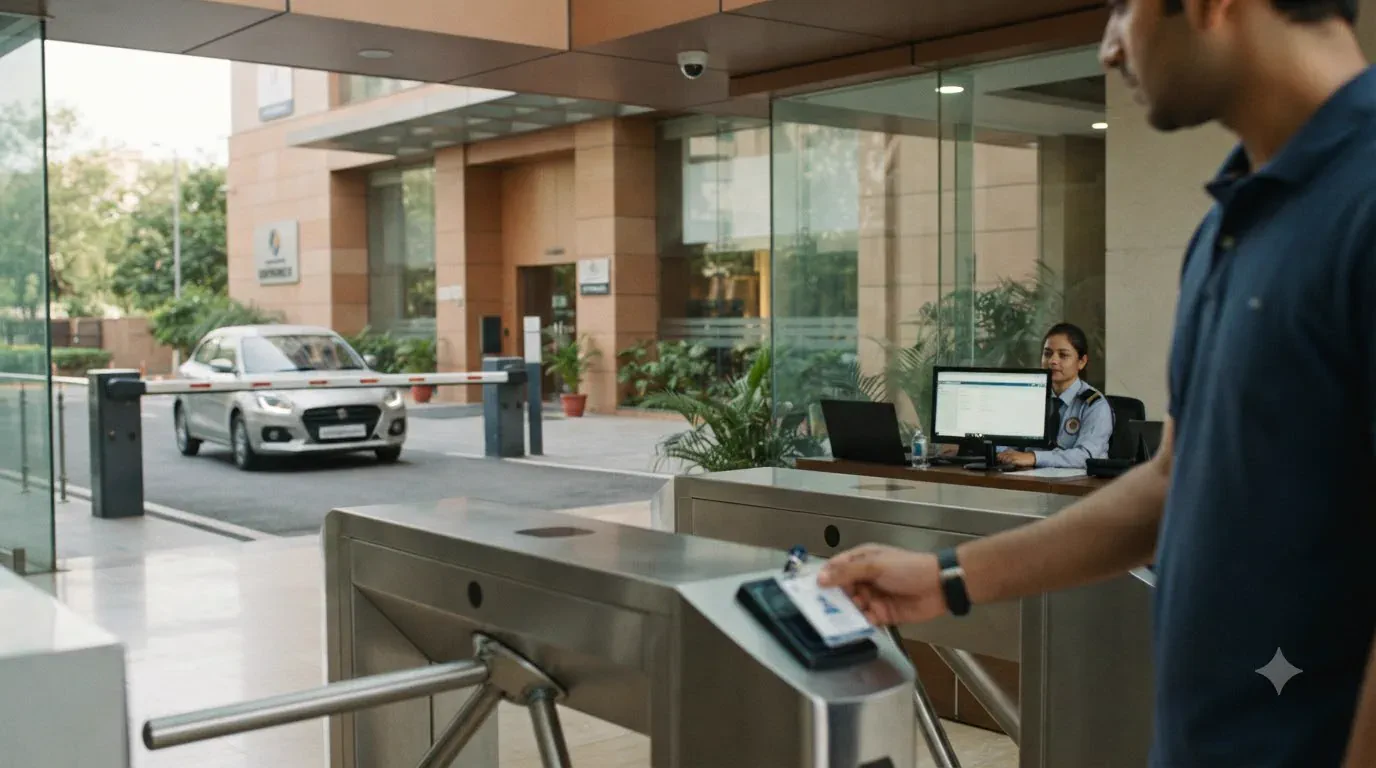
01 Monitor entry points, security checkpoints and vehicle gates with integrated video and access-event correlation for complete entry accountability.
 02
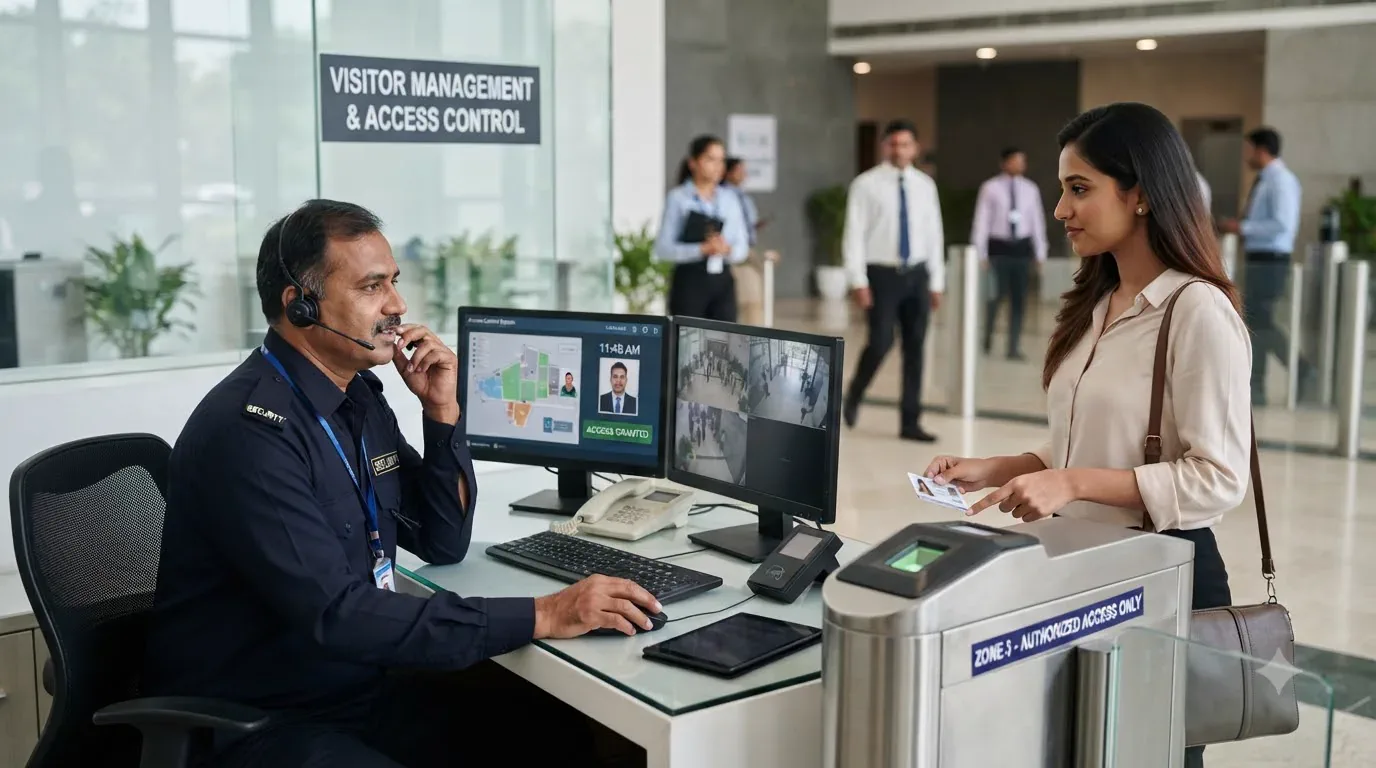
02 Maintain situational awareness across public-facing areas — waiting halls, service counters, queues and visitor parking — without impeding citizen access.
 03
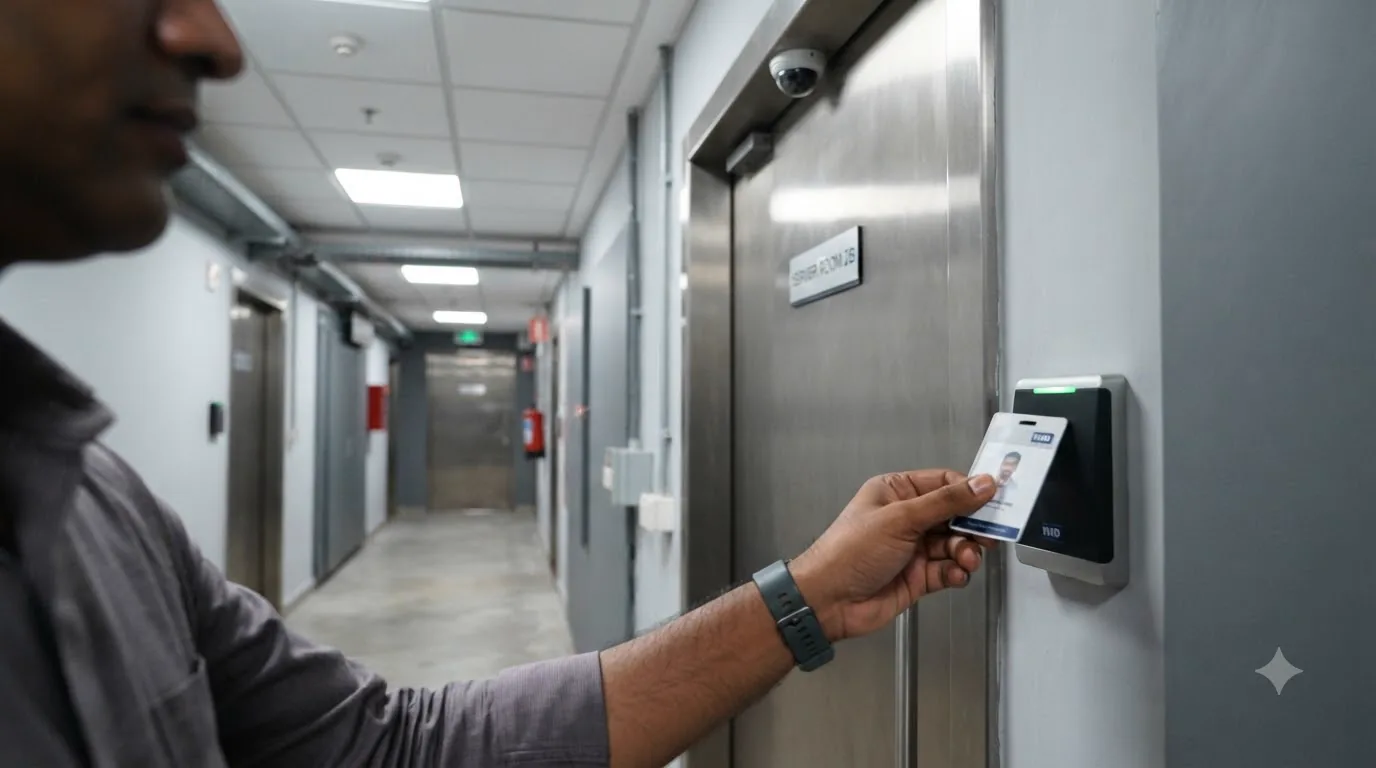
03 Strengthen oversight of archives, server rooms, executive floors and courtrooms with layered video and access-based verification.
 04
04 Support regulatory and internal audit requirements with structured evidence workflows, defined retention policies and tamper-evident export capabilities.
From event to action
Government security demands documented, auditable processes — from the moment an event is detected through verification, response and evidence preservation.
Cameras cover entry points, public areas, restricted zones and perimeters across government facilities.
Access violations, after-hours activity and zone breaches surface through rule-based alerting.
Operators confirm events with live and recorded video before escalating or dispatching security personnel.
Teams escalate, document and preserve evidence through auditable, policy-compliant response procedures.
Operational outcomes
Controlled accessVerified entry and layered zone control protect sensitive areas without impeding public services.
Visitor accountabilityConnected video and access logs provide clear records of who entered, when and where.
Compliance supportDefined retention, audit trails and evidence workflows meet regulatory and internal governance standards.
Incident clarityStructured search and timeline tools help teams reconstruct events quickly and accurately.
Welcome to MACTRA Support.
For installation, firmware, and warranty assistance, our team is available on MactraOne, our dedicated support portal.