
Vast open environments
Stations, platforms, yards and trackside zones create an enormous coverage area with diverse risk profiles and lighting conditions.
Railway security
Connected video intelligence for stations, platforms, yards and critical rail infrastructure — built to help teams see sooner, verify faster and respond with confidence.
Railways never pause
Rail networks move large volumes of people through open, distributed and constantly changing environments. One missed event can affect passengers, assets and operations. Mactra connects cameras, recording and video intelligence into a coherent operational layer.
Stations, platforms, yards and trackside zones create an enormous coverage area with diverse risk profiles and lighting conditions.
Peak-hour crowds make it difficult to identify security events without intelligent video analytics and focused operator attention.
Multiple stations, depots and control rooms need a unified monitoring approach that scales without complexity.
Built for decisive rail operations
Six connected capabilities help security and operations teams turn distributed video into usable intelligence across the rail network.
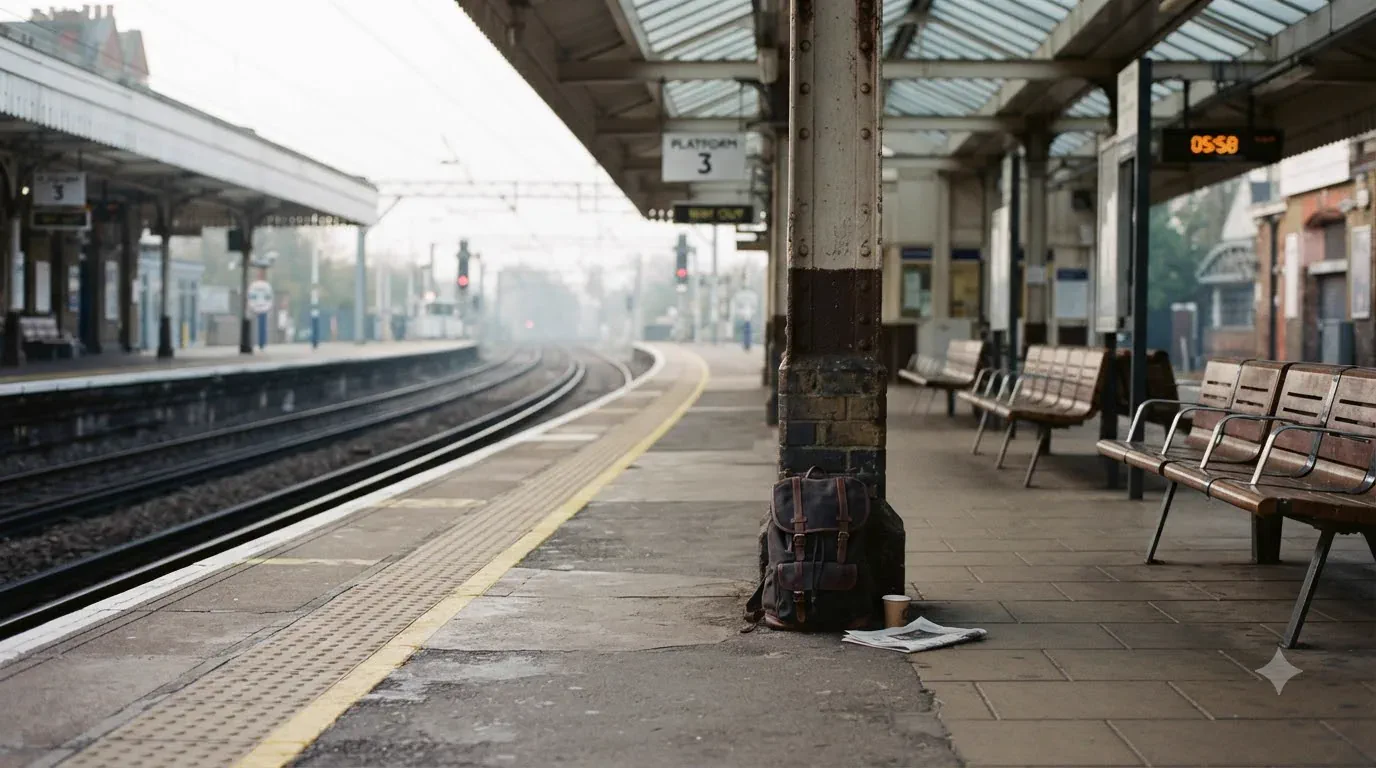 01
01 Crowd movement, unattended zones and edge-risk visibility across platforms, concourses and entry points.
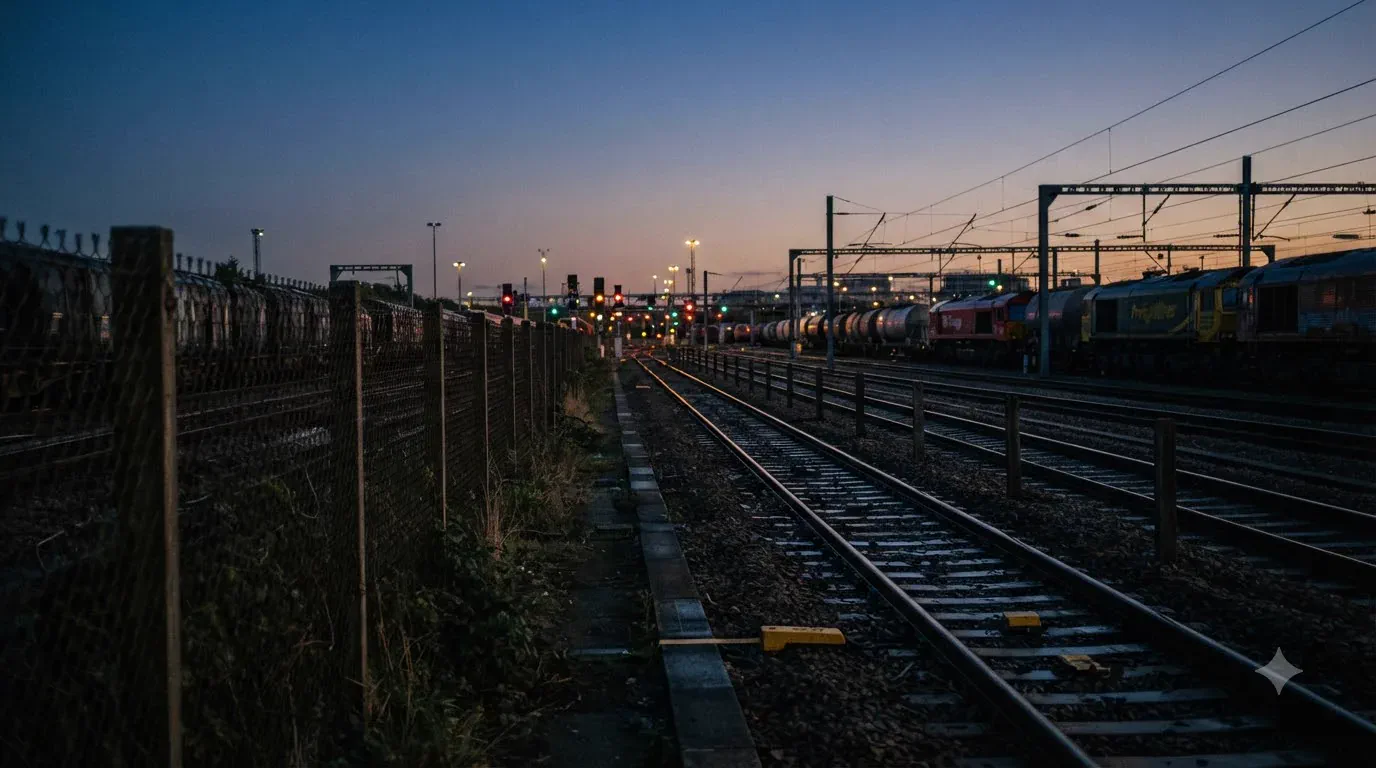 02
02 Monitor restricted corridors, crossings, yards and vulnerable boundary zones with long-range awareness for rolling stock and operational areas.
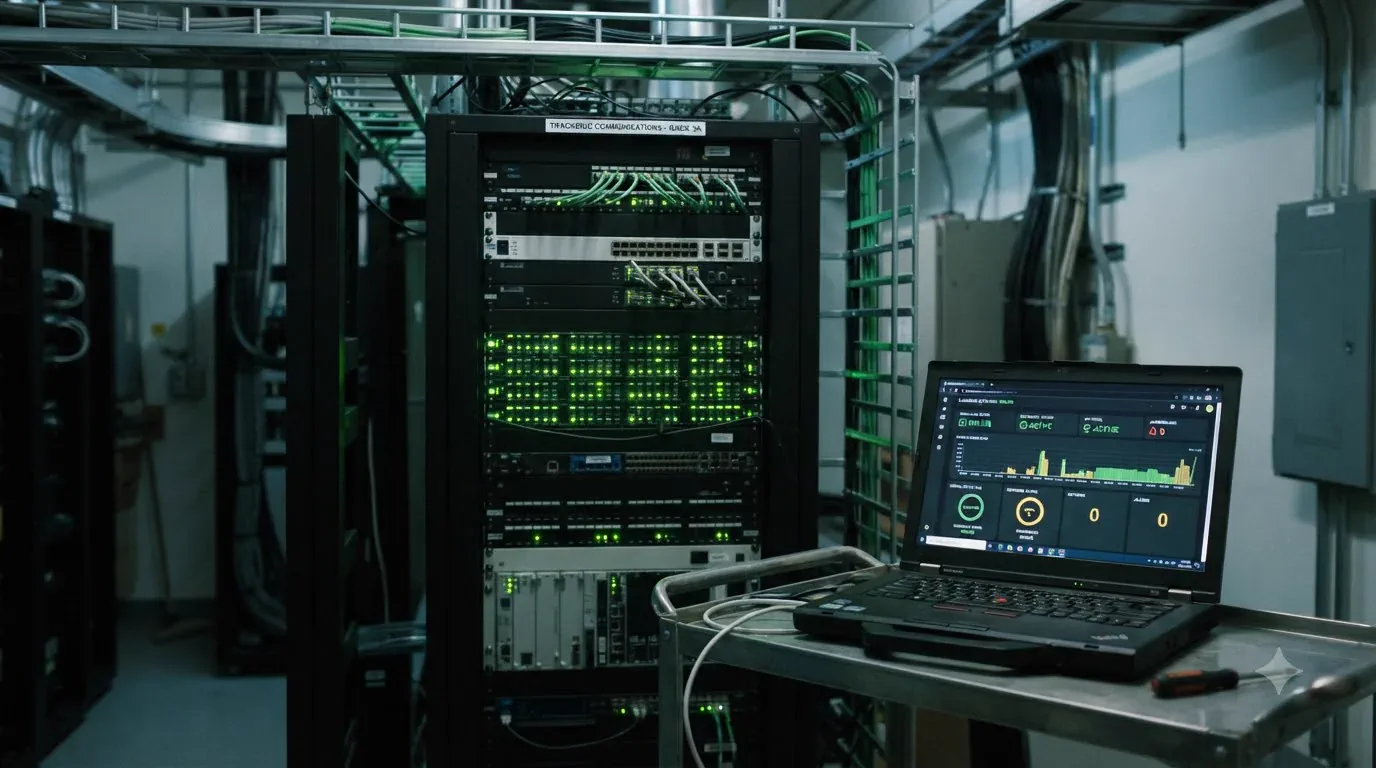 03
03 Track cameras, recorders, storage and network availability before blind spots emerge. Use edge and central recording strategies to preserve continuity.
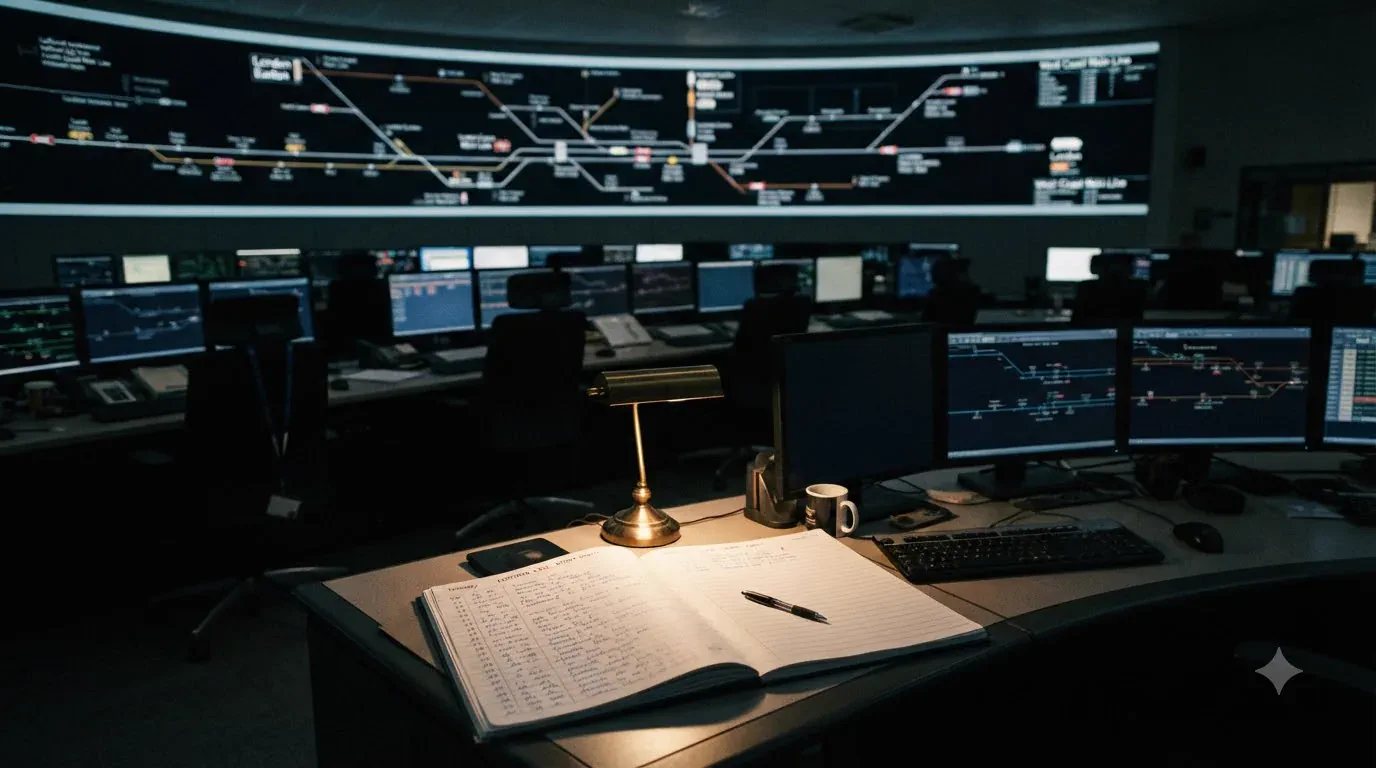 04
04 A consolidated picture for operators, supervisors and response teams — unifying station, platform, yard and perimeter video into one operator-ready view.
A clearer response workflow
Convert continuous camera streams into a focused operating cycle that supports people — not another wall of screens.
Cameras observe priority zones continuously across the rail environment.
Rules flag events that need operator attention — intrusion, loitering, line-crossing.
Live and recorded video adds immediate context for operator verification.
Teams receive the information required to act with confidence.
Operational outcomes
Live situational viewUnify station, platform, yard and perimeter video into one operator-ready environment.
Actionable alertsSurface motion, intrusion, loitering and line-crossing events for faster verification.
Incident evidenceFind, review and export relevant footage with timestamps and an auditable workflow.
Scalable architectureStart with one station. Design for the network. Scale without complexity.
Welcome to MACTRA Support.
For installation, firmware, and warranty assistance, our team is available on MactraOne, our dedicated support portal.