
Disconnected locations
Separate store systems can leave central teams without a consistent view of events, recordings and device health.
Retail security
Connected video surveillance for single stores and nationwide retail networks, designed to strengthen loss prevention, checkout visibility, staff safety and operational response.
Visibility across the retail estate
Retail combines public spaces, valuable stock, cash transactions, staff-only zones and peak-hour pressure. Recording footage is only the start; teams need useful context and a dependable route from exception to action.
Separate store systems can leave central teams without a consistent view of events, recordings and device health.
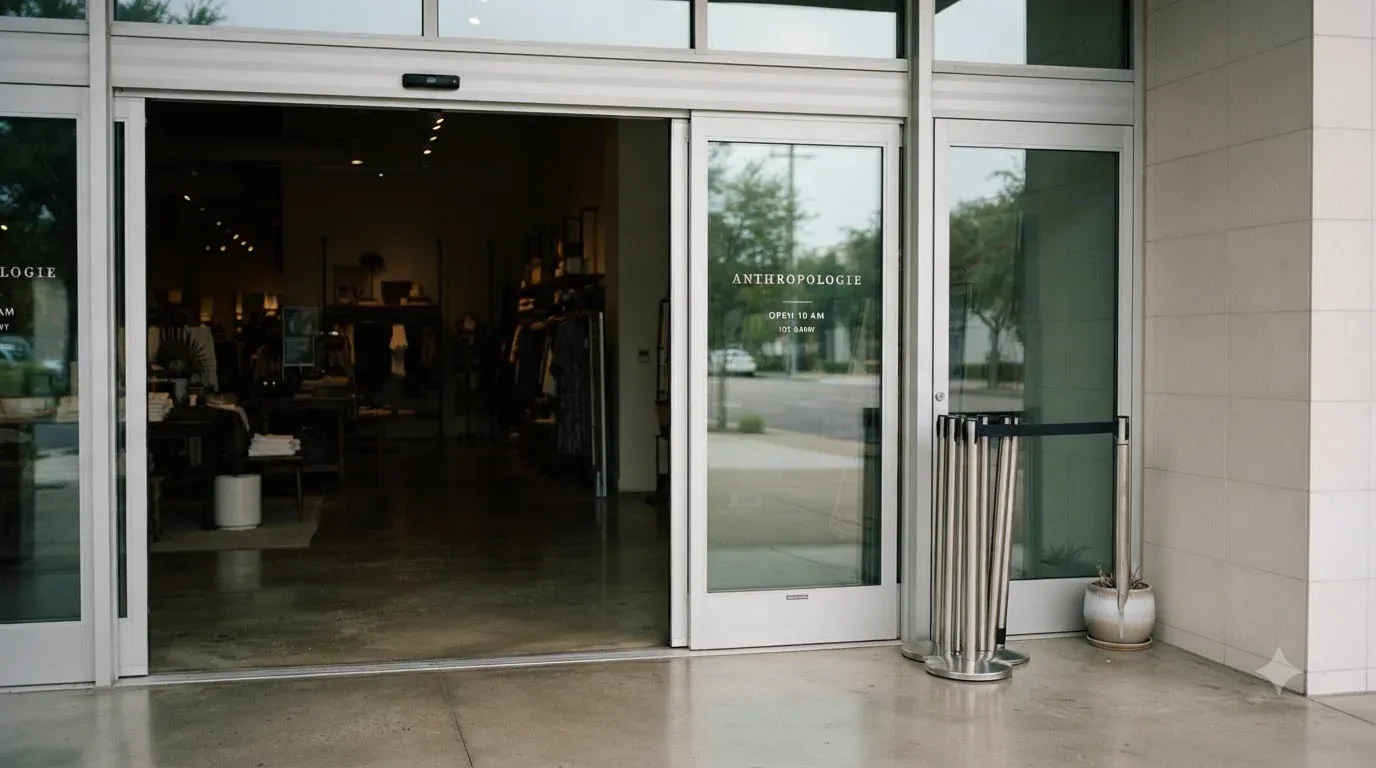
Entrances, aisles, checkouts, returns desks and stockrooms each require purpose-built coverage and response priorities.
When transactions, alarms and video sit apart, confirming what happened and preserving evidence takes longer.
Connected protection
From the store entrance to the stockroom and central command centre, Mactra helps authorized teams connect visual evidence, operational events and defined response workflows.
 01
01 Bring selected live views, alerts, recorded video and device status from individual stores into one structured monitoring environment.
 02
02 Give authorized teams clear visual context around billing counters, returns desks and self-checkout zones for faster exception review.
 03
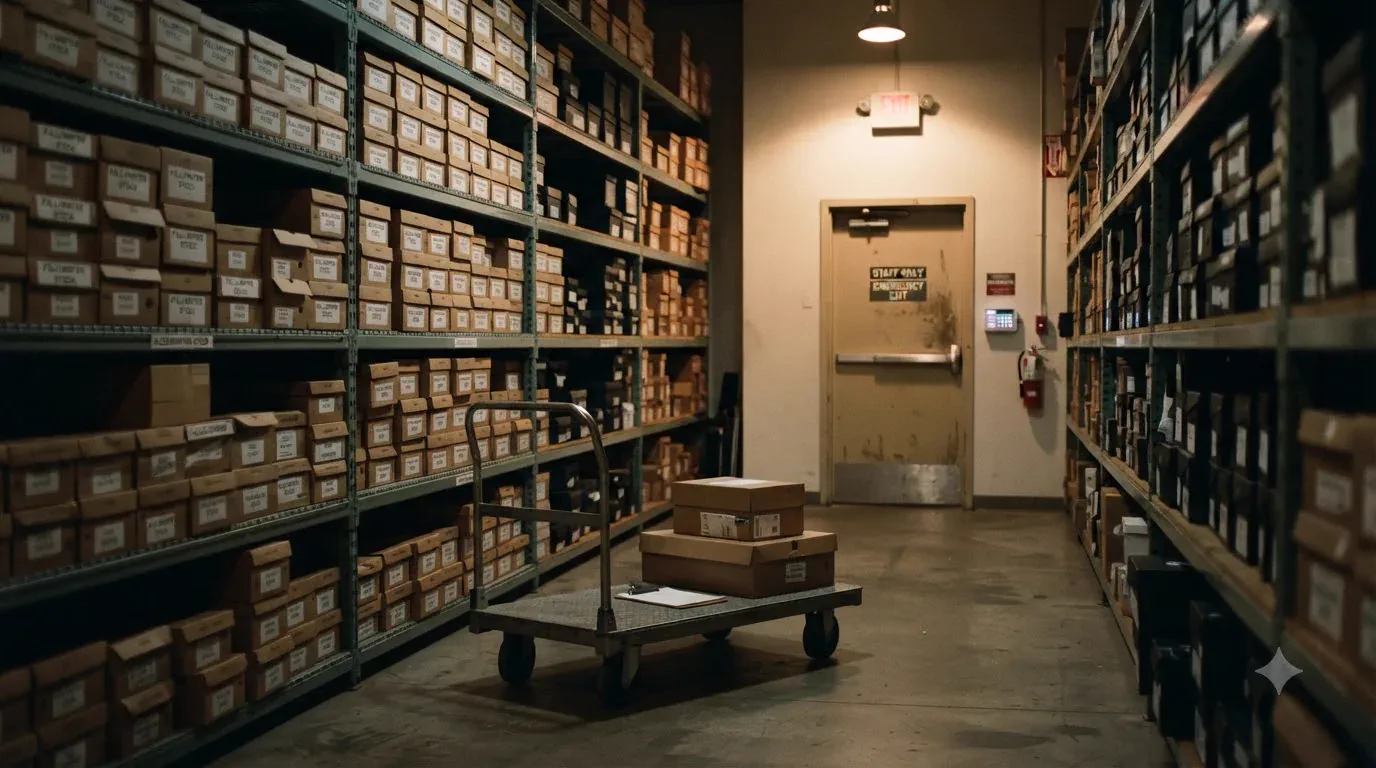
03 Plan coverage across aisles, high-value displays, receiving bays, stockrooms and staff-only areas without losing sight of privacy obligations.
 04
04 Use appropriately configured video analytics to understand selected occupancy, queue and movement patterns while keeping security operations connected.
From event to action
A useful retail security platform does more than display cameras. It helps teams detect selected activity, verify it with video, follow the correct escalation path and preserve evidence for authorized review.
Cameras cover defined entrances, aisles, checkouts and restricted zones.
Rules and compatible events bring relevant activity to attention.
Authorized teams review live or recorded context under defined permissions.
Teams escalate, document and preserve evidence through policy-led action.
Operational outcomes
Centralized oversightCoordinate surveillance across stores, warehouses and customer-facing zones.
Verified exceptionsAdd visual context to selected transaction, access or alarm events.
Faster investigationSupport authorized search, review and export through defined evidence workflows.
Operational awarenessReview selected queue, occupancy and movement patterns where configured.
Welcome to MACTRA Support.
For installation, firmware, and warranty assistance, our team is available on MactraOne, our dedicated support portal.