
Delayed response
Without connected surveillance, officers learn about incidents minutes or hours after they occur, reducing intervention effectiveness.
Law enforcement security
Connected video intelligence for police operations, safe city deployments, forensic investigation and multi-agency command coordination.
Policing in a connected world
Law enforcement teams operate under pressure, across jurisdictions, and need video systems that work as hard as they do — from real-time situational awareness to forensic-grade evidence management.
Without connected surveillance, officers learn about incidents minutes or hours after they occur, reducing intervention effectiveness.
Footage stored across disconnected systems makes it difficult to build timelines, correlate events and produce court-ready evidence.
Separate camera networks across police, traffic and municipal teams create blind spots at jurisdictional boundaries.
Operational surveillance
From safe city deployments to station-level oversight, Mactra connects video intelligence with the workflows that policing demands — speed, accuracy and evidential integrity.
 01
01 Aggregate camera feeds from across urban zones into a unified command view, enabling real-time situational awareness for patrol coordination and incident response.
 02
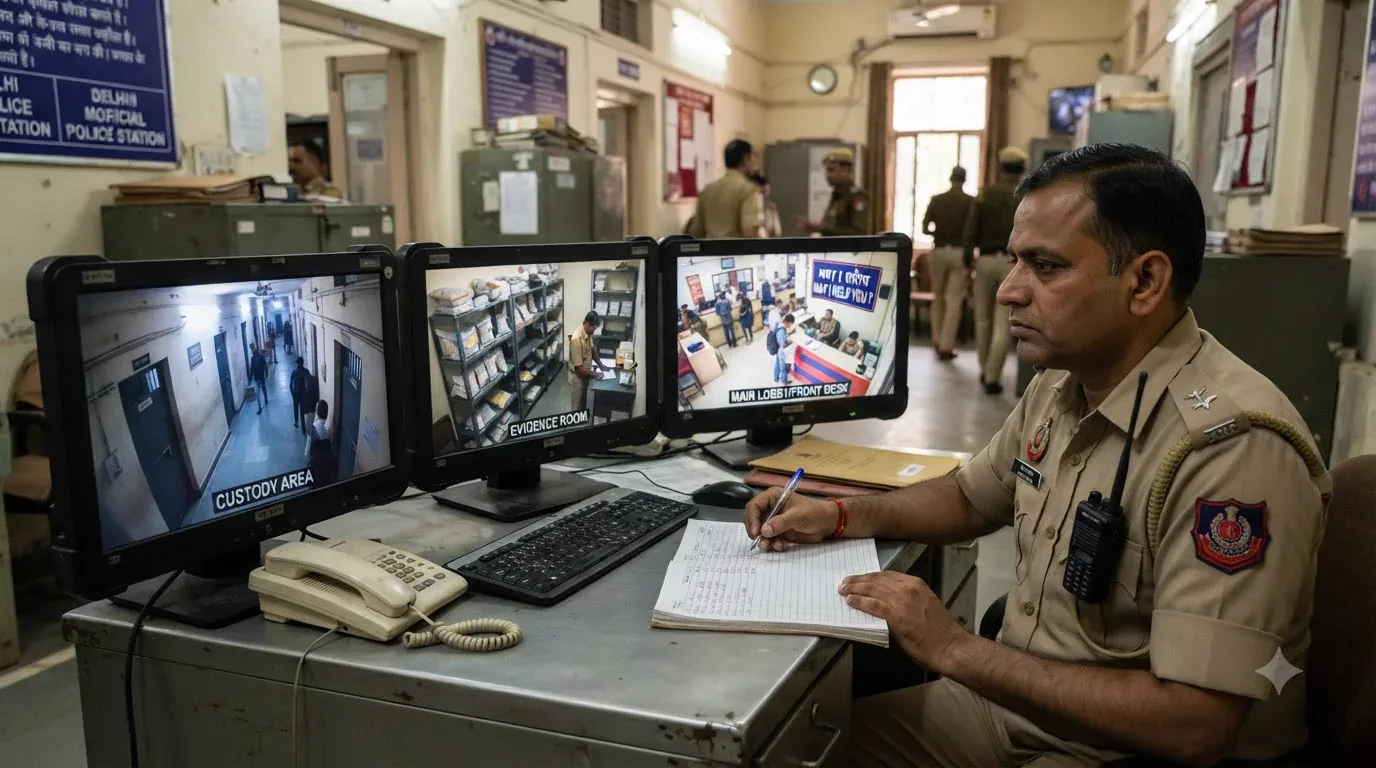
02 Monitor custody areas, evidence rooms, armouries and public-facing desks with structured camera coverage and access-event correlation.
 03
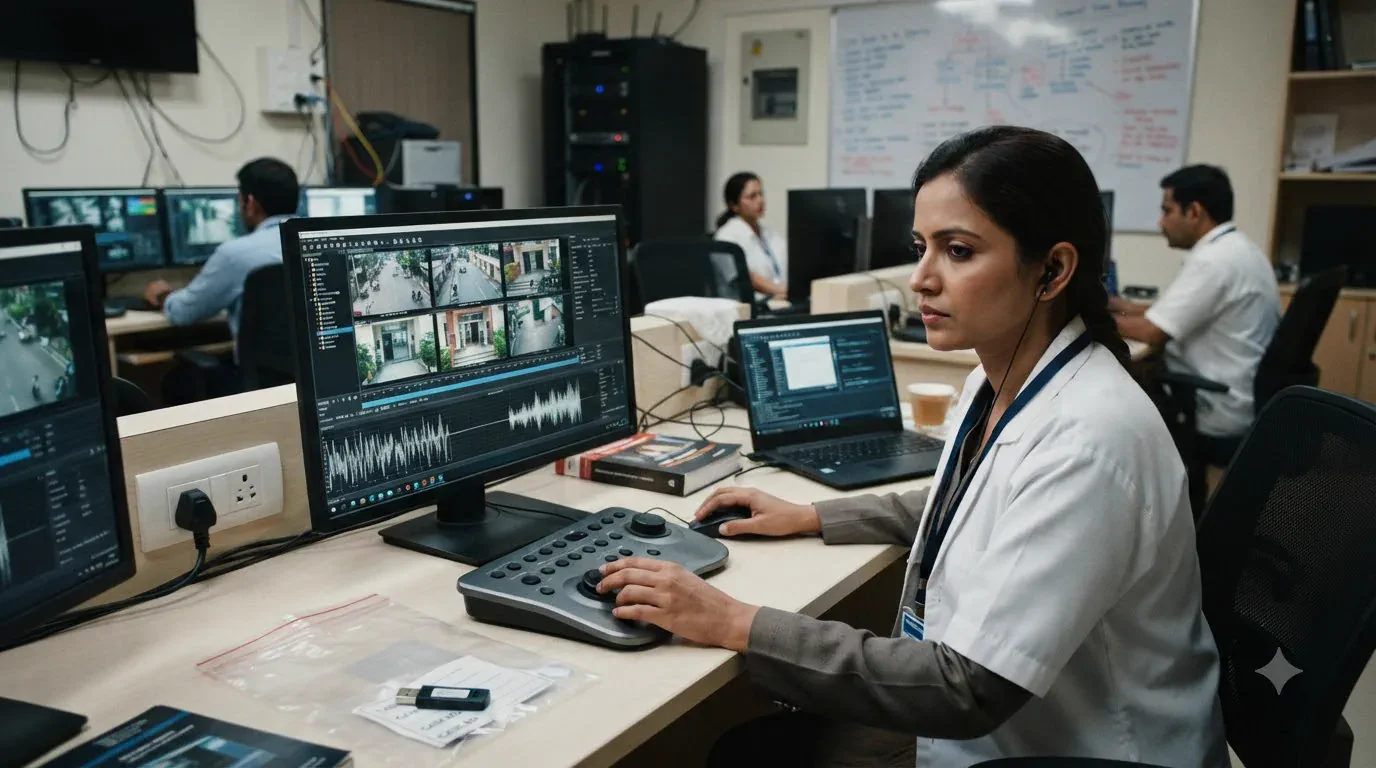
03 Search, bookmark and export footage with forensic integrity — supporting timeline reconstruction, suspect tracking and court-ready evidence packaging.
 04
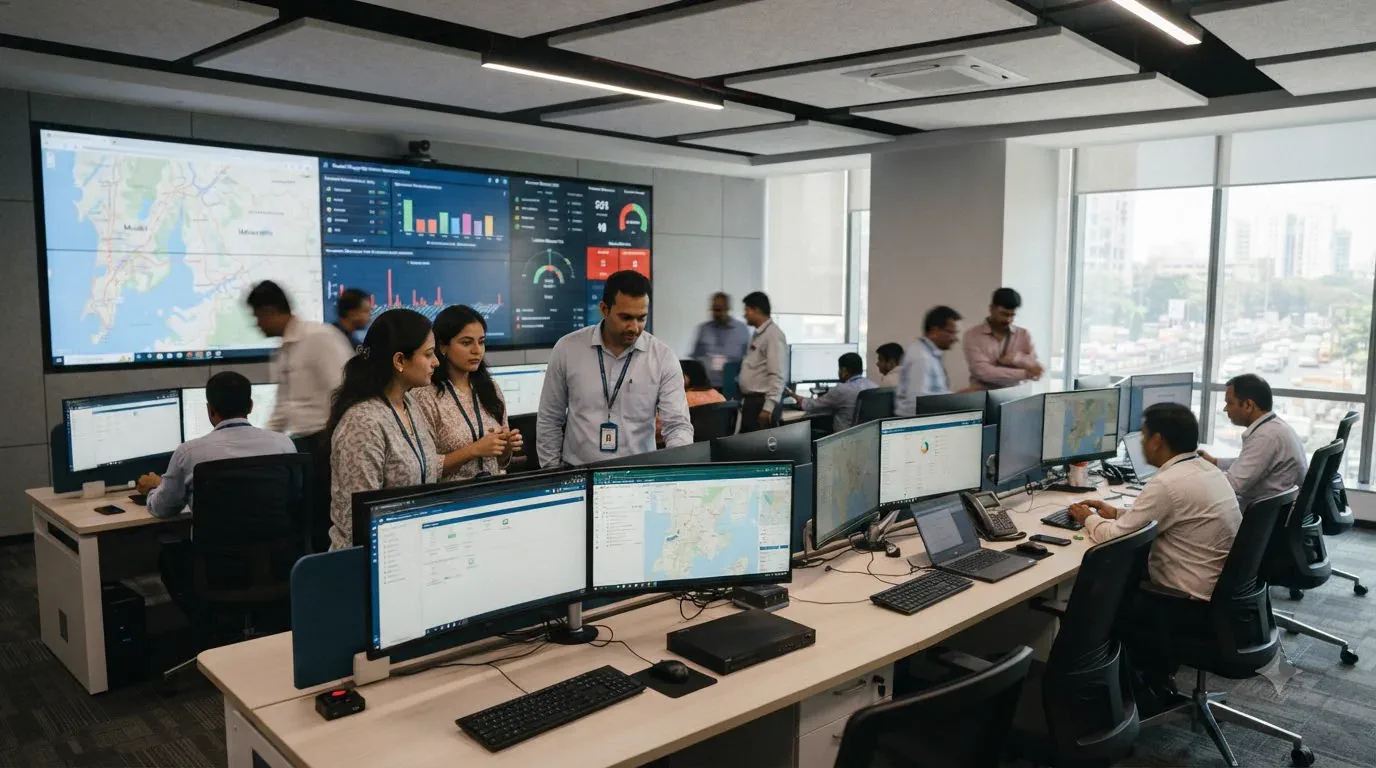
04 Bring video feeds, alerts and communication into a shared operational picture for multi-agency events, VIP movements and emergency response coordination.
From event to action
Effective policing requires more than cameras — it needs a connected chain from detection through verification to documented, accountable action.
Cameras cover public areas, stations, custody zones and critical infrastructure across jurisdictions.
Alerts and analytics surface relevant activity — intrusions, crowd anomalies and rule violations.
Operators confirm events with live and recorded context before dispatching officers or escalating.
Teams dispatch, document and preserve evidence through auditable, policy-led response workflows.
Operational outcomes
Faster responseReal-time alerts and connected context reduce the gap between event and intervention.
Stronger evidenceStructured search, tamper-evident export and timeline tools support court-ready evidence preparation.
Multi-agency visibilityShared views and role-based access connect separate teams around the same operational picture.
Operational accountabilityAudit trails, access logs and documented workflows support transparency and compliance.
Welcome to MACTRA Support.
For installation, firmware, and warranty assistance, our team is available on MactraOne, our dedicated support portal.